“There are plenty of fine educators in the world – and some not-so-fine ones, too.” –The Musician’s Way, p. 293 I advise numerous aspiring music educators each year, and I find that many lack clarity about a vital aspect of teaching and learning. That is, they confuse...
“Some of your most gratifying musical experiences will be those that serve the greater good.” –The Musician’s Way, p. 299 Musicians and arts leaders who understand how to commission high-quality music can build new audiences, increase their revenues, engage...
“Whatever the material, your repetitions should lead somewhere meaningful – to greater ease, higher beauty, and deeper feeling.” The Musician’s Way, p. 52 The Spring 2021 issue of The Musician’s Way Newsletter brings together music news, creative...
“Any musician who says he is playing better either on the needle or when he is juiced is a plain straight liar… You can miss the most important years of your life, the years of possible creation.” -Charlie Parker, saxophonist and composer The Musician’s Way, p....
“To perform at a high level, you have to attain a kind of unity with your instrument.” –The Musician’s Way, p. 257 The newly published Winter 2021 issue of The Musician’s Way Newsletter is designed to inspire and inform our musician community as we strive to...
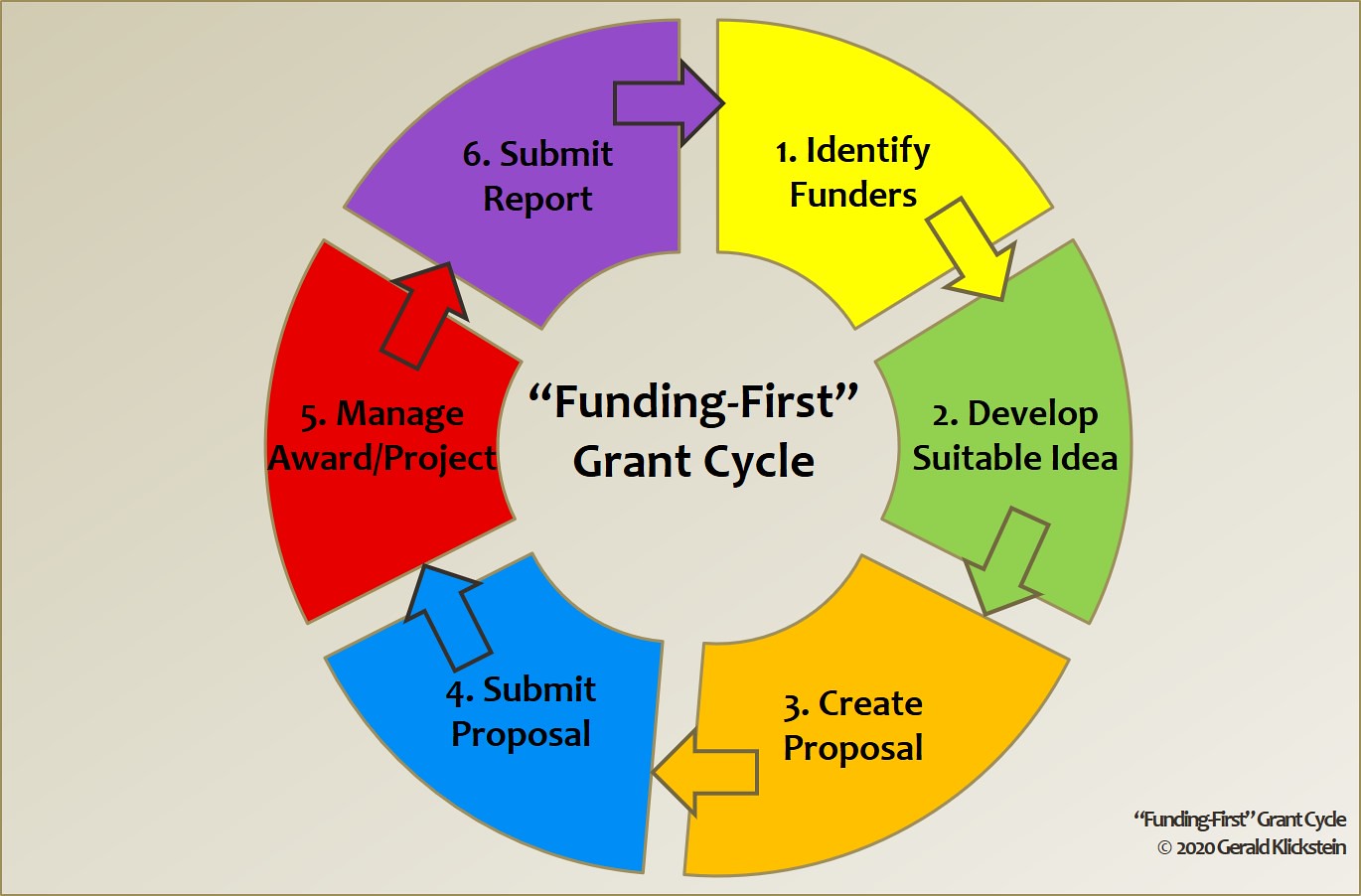
If you’re keen to impact more people through your music, and perhaps increase your earnings, then grant funding and partnerships with non-profit organizations can make both possible. First, though, it’s wise to understand the complete grant cycle. For...
“Your habits in the practice room make you the musician that you are.” –The Musician’s Way, p. 20 The Fall 2020 issue of The Musician’s Way Newsletter brings together dozens of important resources for musicians, arts administrators, and music lovers....
“It is imperative that all students have access to an equitable delivery of arts education.” -Arts Education Is Essential The Spring 2020 issue of The Musician’s Way Newsletter has arrived in subscribers inboxes and is being shared widely. Along with practice...
To be eligible for full-time, tenure-track faculty positions, performers and composers typically need doctorates. And the degree that most of them earn is the Doctor of Musical Arts, the DMA.* Although universities sometimes hire renowned musicians who lack...